Harley-Davidson Motor Company: The Early Years
A period of rapid growth that established many practices still followed today.
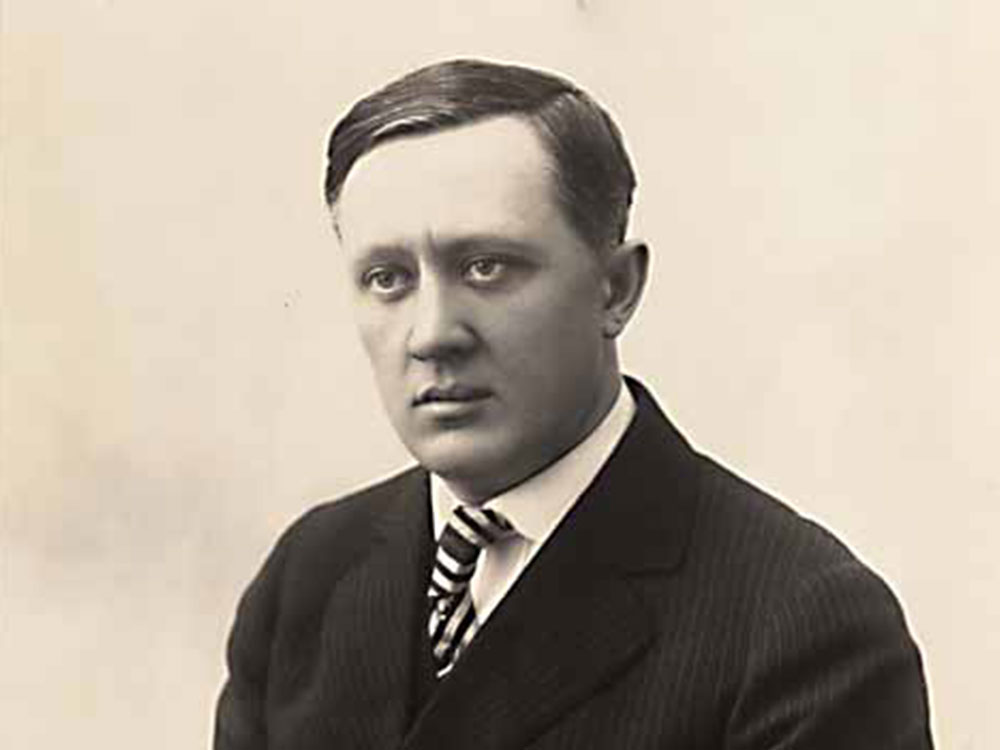
In a neighborhood of Milwaukee, Wisconsin in the 1890s, a teenager named William Harley first met Arthur Davidson. The city of Milwaukee was a thriving industrial center on the western shore of Lake Michigan. Both boys shared an interest in mechanics and design. Harley had previously worked in a bicycle factory and Davidson had experience as a draftsman. When young Harley worked at an elevator producer, Barth Manufacturing, he invited his friend Davidson to apply for a job where he learned patternmaking.
One night in 1901, they saw the stage show of Anna Held, a performer who often included motorized three-wheeled vehicles in her show. While others may have remembered Held’s risqué act, Harley and Davidson later recalled the three-wheeler Held rode with a single cylinder engine as a moment of inspiration.
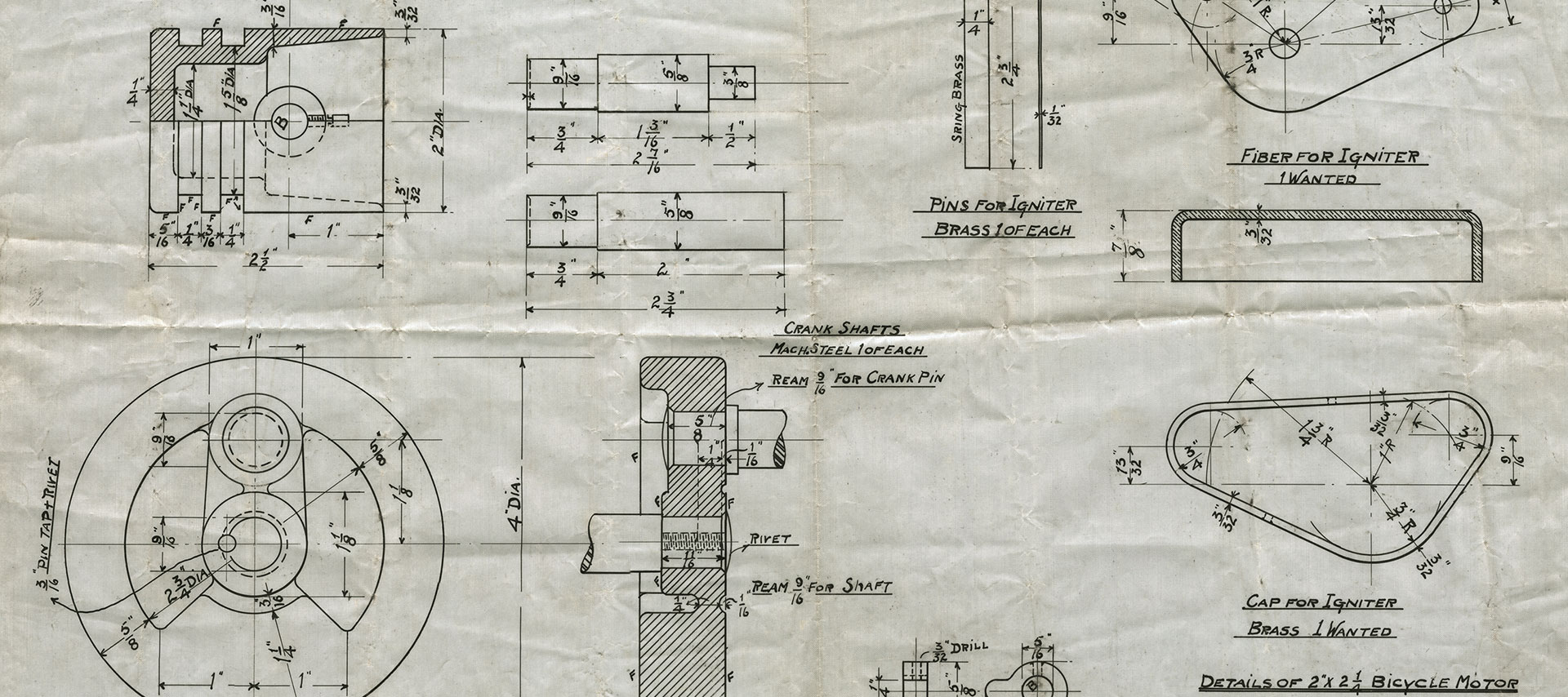
Within that same year, Harley and Davidson were tinkering with motorized bicycles, with a bit of help from friend, Henry Melk, who owned a lathe. Nearby was another enterprising friend who offered his expertise, a young machinist and engineer named Ole Evinrude who went on to become the catalyzing force in outboard marine motors. Their fledgling effort was a bicycle adapted with a small engine and belt drive. But it was underpowered and did not satisfy their hopes. By 1903, they started over with a new, larger engine and frame designed to fit together.
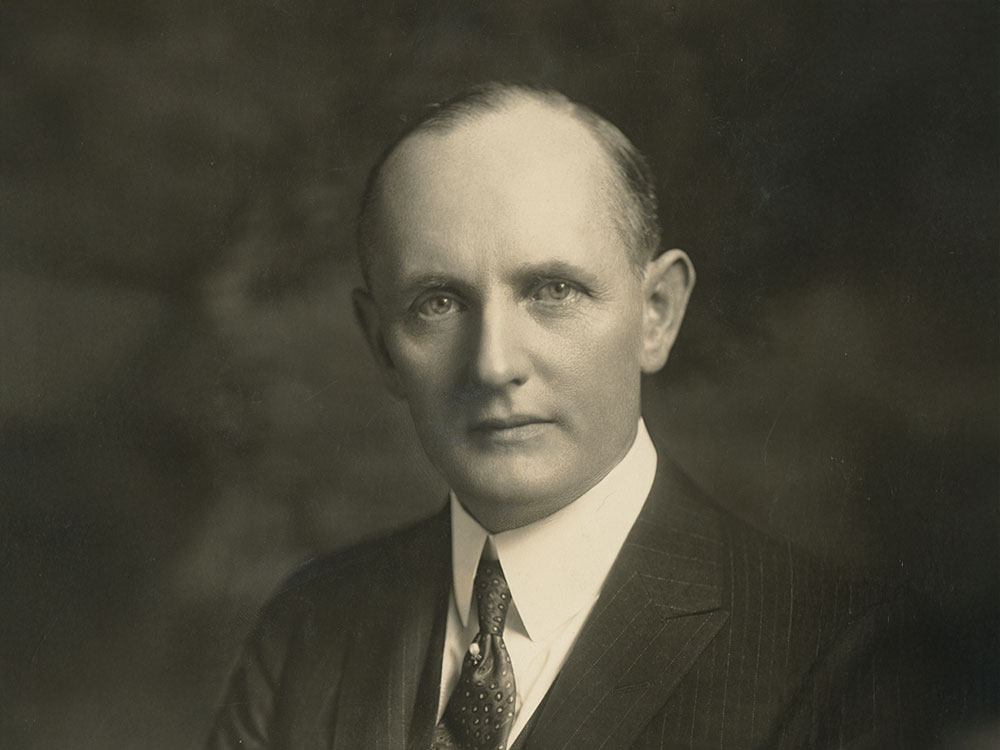
Walter Davidson Joins the Effort
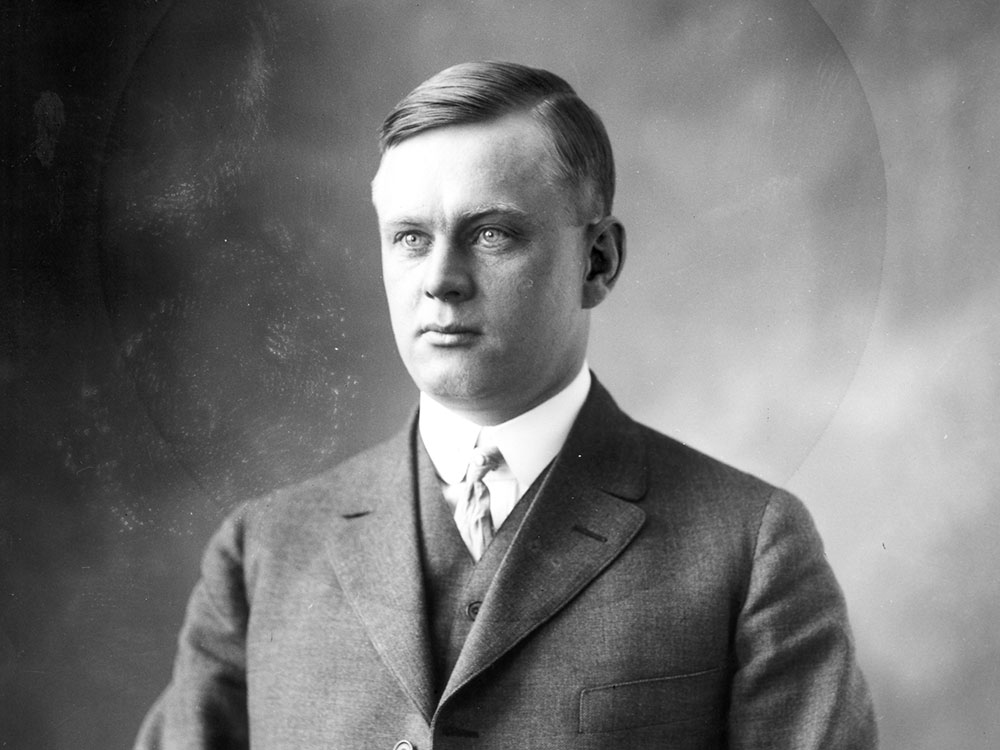
Arthur wrote to his brother Walter, a railroad machinist in Kansas, urging him to return to Milwaukee where his expertise would be valued. Walter was critical of the new machine and set to work improving it.
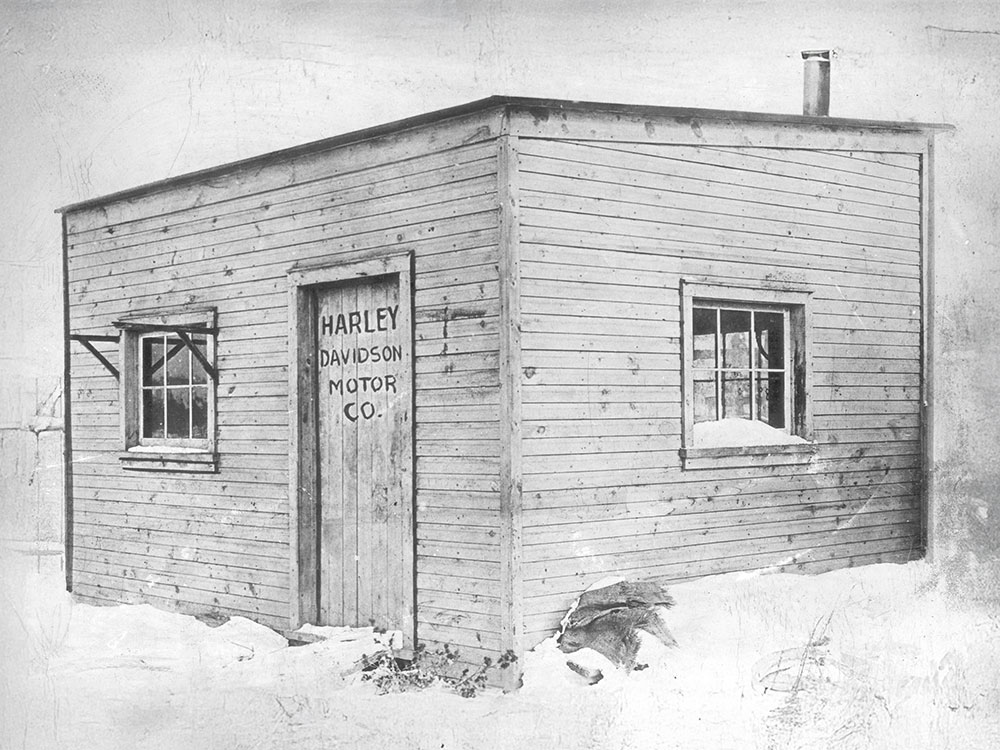
The Shed
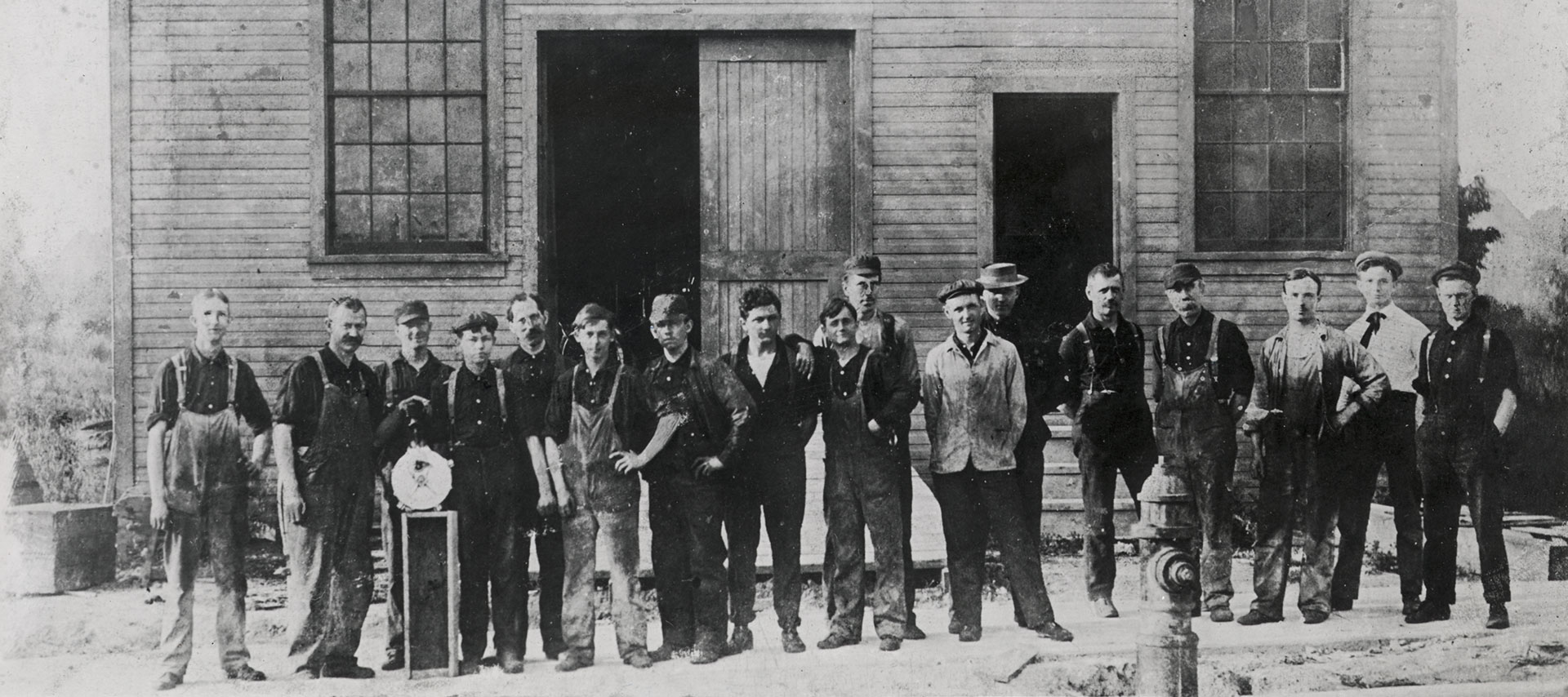
Feeling somewhat pestered by his son’s new project, William C. Davidson asked them to move it to the backyard. In 1903, they built a 10 x 15-foot wooden shed, where they later sold their first motorcycle to a friend, Henry Meyer.
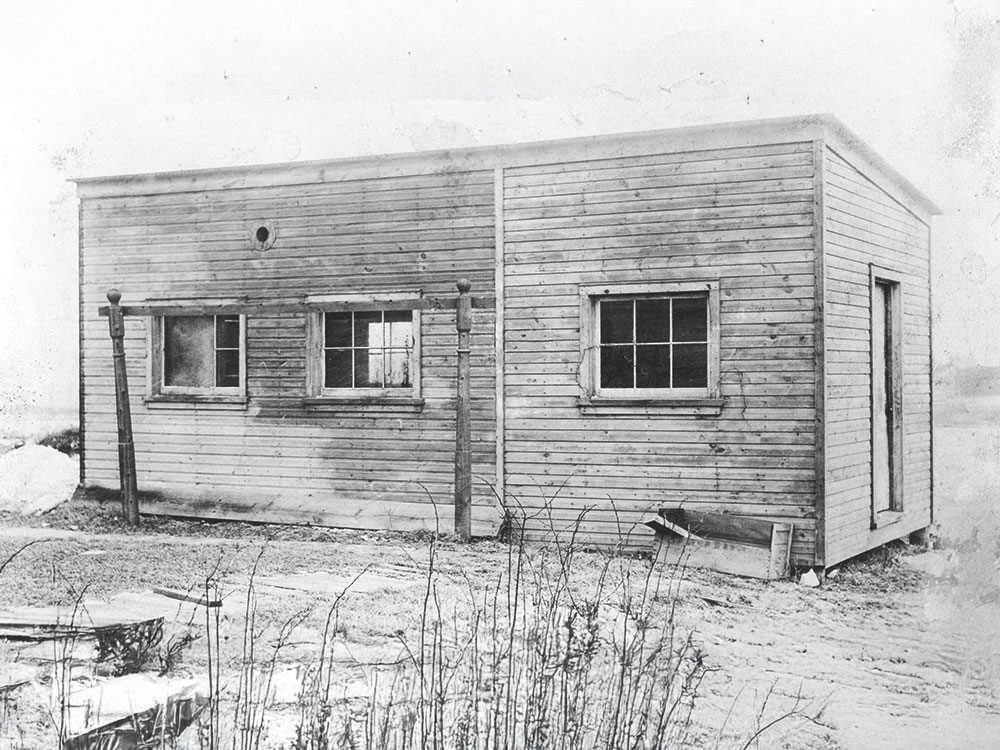
Investing in Progress
Their commitment to growth was clear from the start. In 1904, they doubled the size of their small factory while William Harley began engineering studies at the University of Wisconsin. To expand further, they borrowed $170 from the Davidsons’ “Honey Uncle,” beekeeper James McLay, rather than a bank.
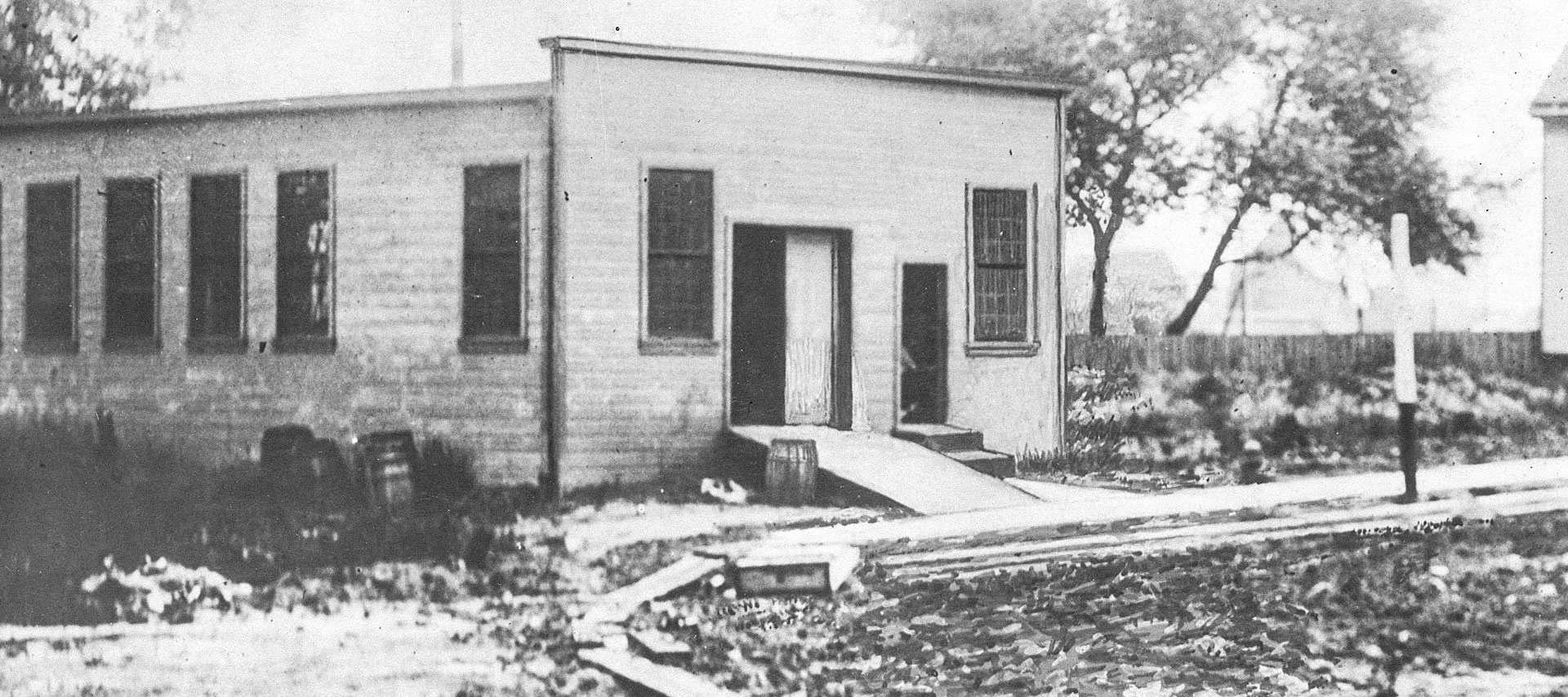
In 1903, Arthur Davidson also met a Chicago businessman, toolmaker and German immigrant Carl H. Lang. Lang agreed to sell new Harley-Davidson motorcycles from his Adams St. shop in Chicago, making him the first dealer. In 1906, a new factory was built on recently acquired land along Milwaukee’s Chestnut Street, just a block from the Davidson home. Even as that factory was producing new motorcycles, plans were underway for a vastly larger facility to meet demand. By 1913, a state-of-the-art six-floor brick factory building was a manufacturing powerhouse. From only 3 motorcycles sold in the first year, Harley-Davidson was now just under 13,000 vehicles within 10 years’ time.
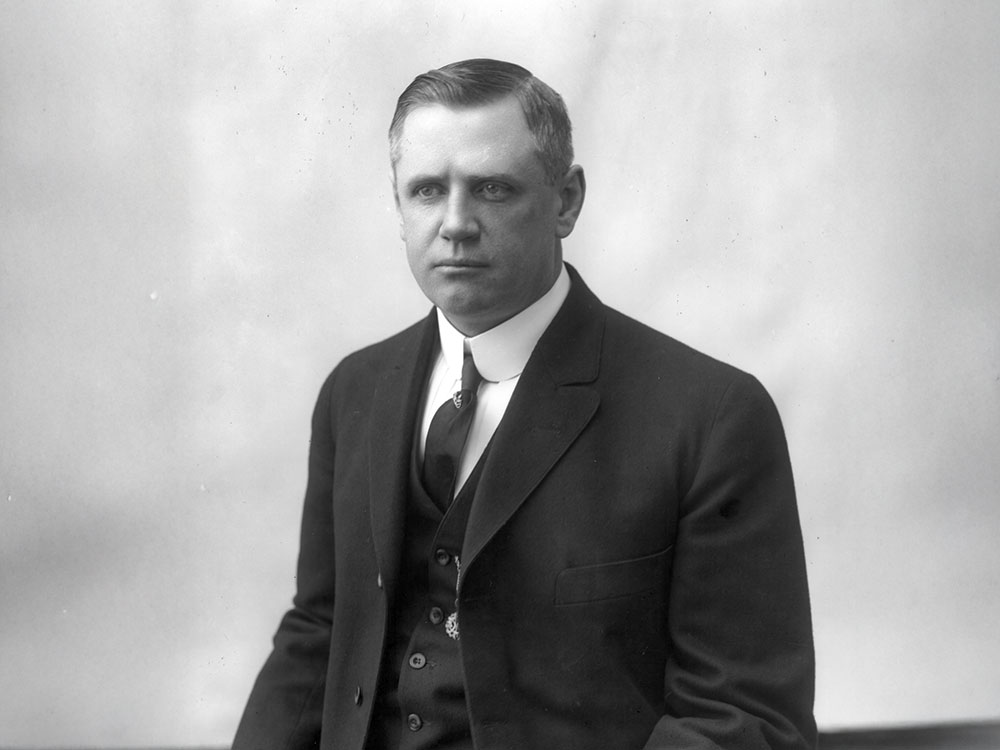
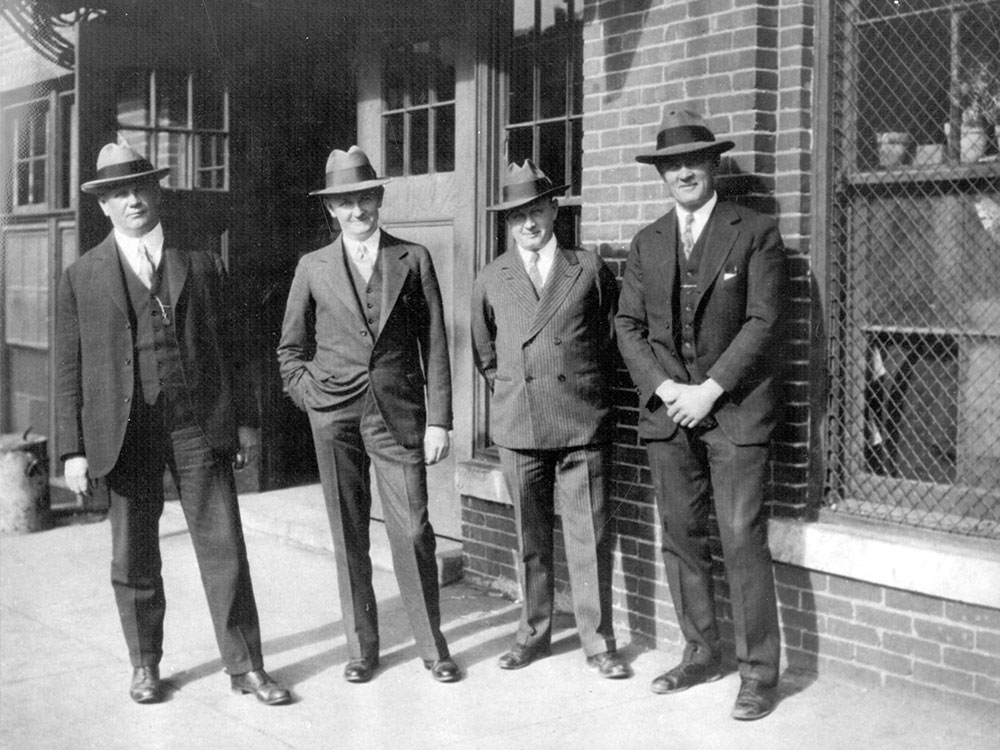
On September 17, 1907, the Motor Company incorporated, and the first stock was issued. William Harley took a smaller share in exchange for cash to help fund his engineering degree. On the same day, William A. Davidson formally joined the company as Works Manager, overseeing manufacturing.
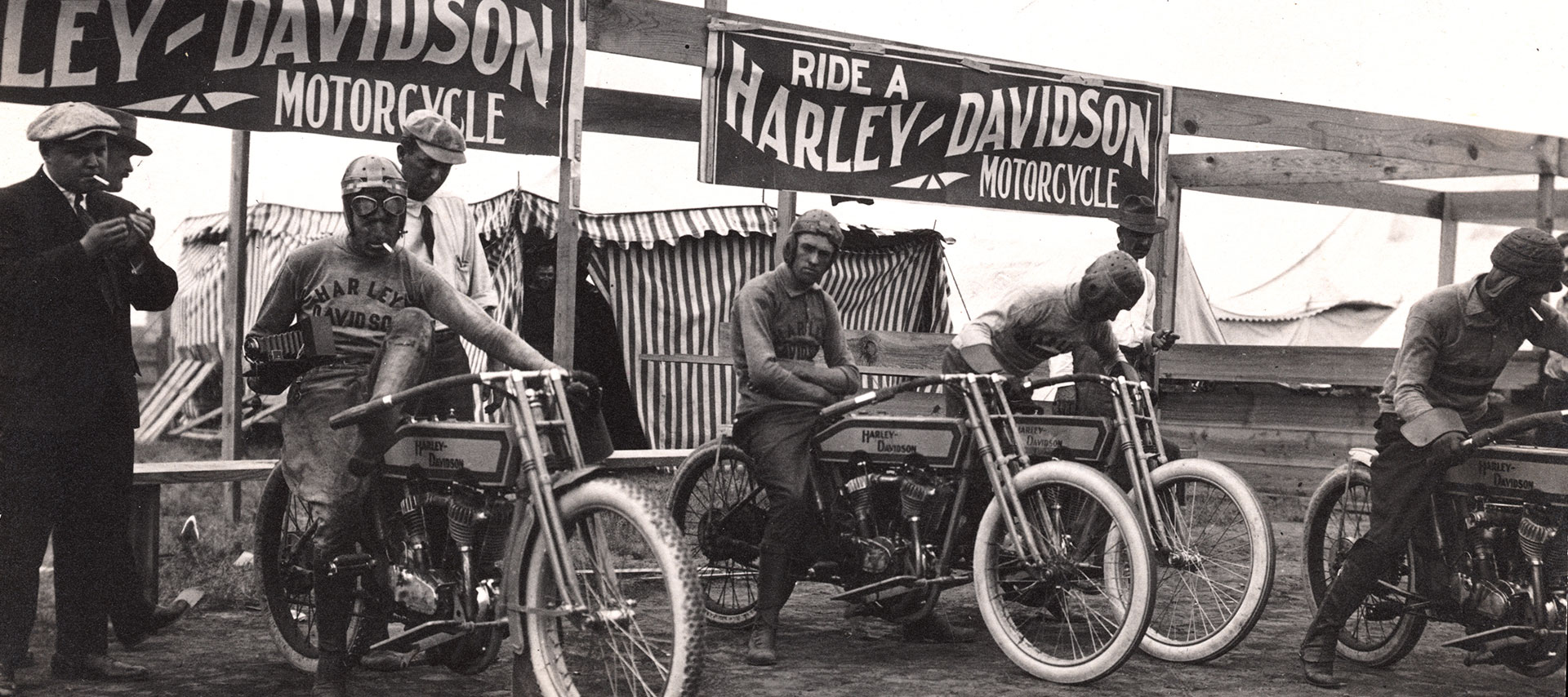
The founders saw the core of HDMC as being reliable motorcycles, good service and knowledgeable salespeople that were second to none. This would go on to be the foundation of the Motor Company’s future. But what about racing? Other manufacturers had already adhered to the philosophy of “win on Sunday, sell on Monday.” Racing was not just about bragging rights, but marketing. Other motorcycle companies were dominating the racecourses and by extension, the marketplace.
HDMC had previously denounced racing because of the immense danger to riders and spectators. But the marketing value of racing was undeniable. The founders of H-D understood they had to compete and formed the first factory-supported racing team. Within their first year, the new team dominated races, sometimes owning the top three or five finishing positions. Later referred to as the “Wrecking Crew,” they went on to firmly establish Harley-Davidson as a force in the American motorcycle landscape.
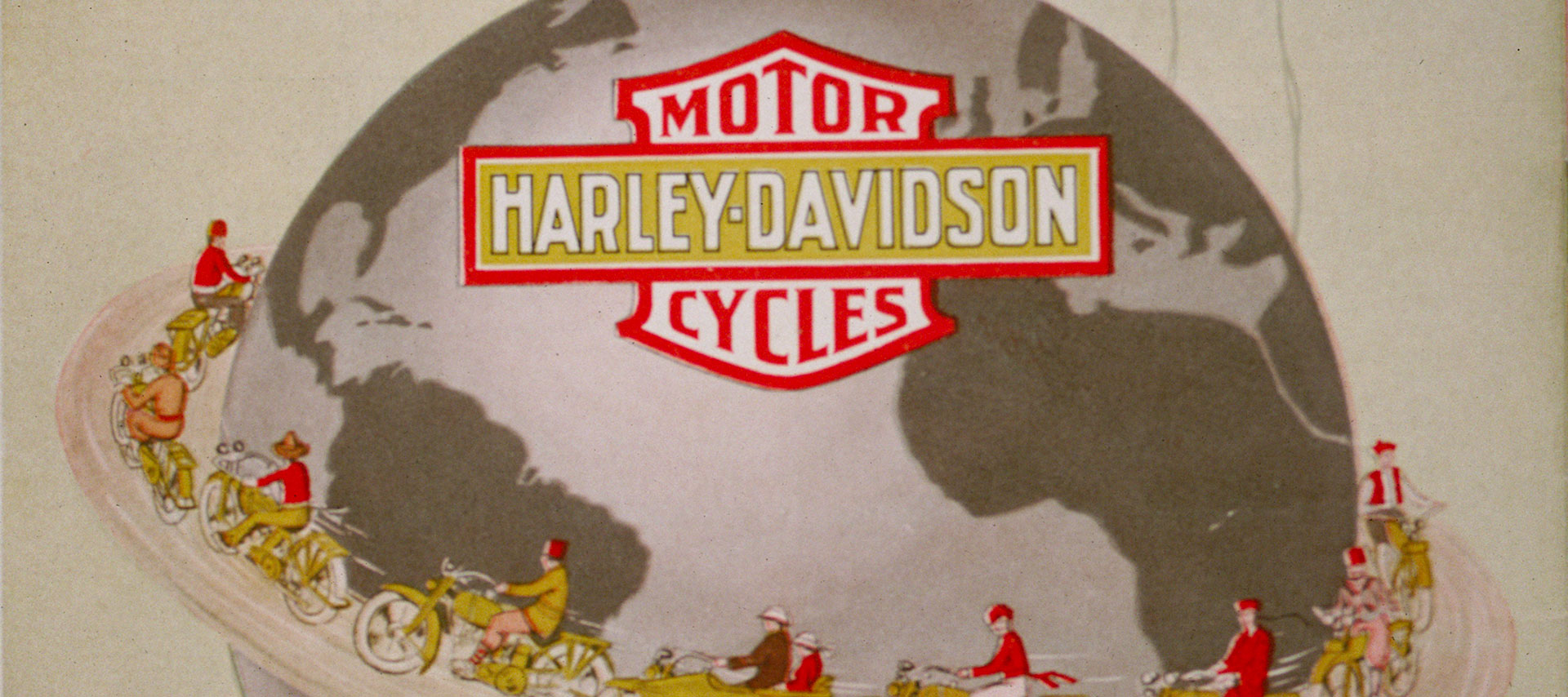
The move to racing would not be the only pivot needed. The motorcycle market that lay ahead would provide opportunities and challenges. Changes in the automobile market in the 1910s and 20s would force motorcycles to be repositioned as leisure vehicles. But by this time, growth of the dealership network had already expanded outside of the United States into Europe and the Pacific Rim. Harley-Davidson had a broader worldwide footprint than any other manufacturer. As later economies and markets shifted, those early actions would prove to be critical. Within just a few years, H-D would lay claim to being the world’s largest motorcycle manufacturer. What started with two friends and a common interest would become a name synonymous with motorcycles.
Building a Milwaukee Icon
Explore the legendary campus that remains Harley-Davidson's headquarters through this look at how the Juneau Ave. factory developed from 1906 through the 1920s.
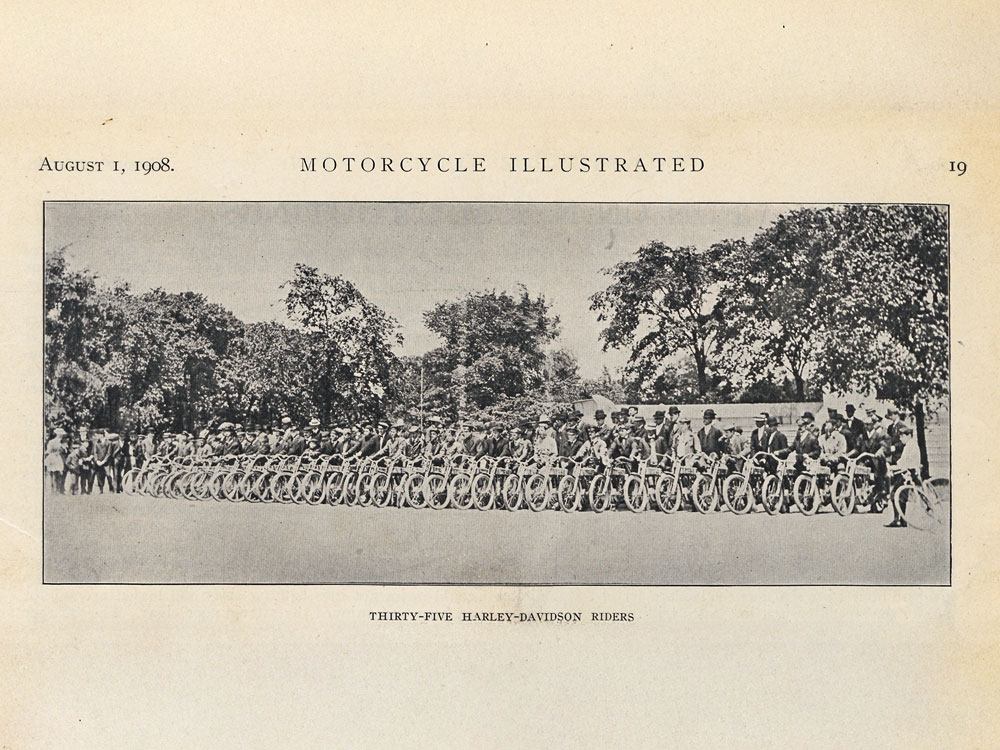
1908 Chicago Ride
Relive the story of Harley-Davidson’s early endurance triumph in Chicago, a test that proved the reliability of H-D motorcycles and helped win riders’ trust.
Bar & Shield
Discover the origins of Harley-Davidson’s most enduring symbol and how the iconic Bar & Shield logo became a badge of freedom recognized worldwide.
Harley-Davidson began in Milwaukee when William S. Harley and Arthur Davidson turned bicycles into motorized machines in 1901. Joined by Walter Davidson and supported by friends like Henry Melk and Ole Evinrude, they built their first 10’ x 15’ shed in 1903, selling their first motorcycle soon after. Early partnerships, innovative engineering, and strategic moves—like embracing racing with the legendary “Wrecking Crew”—helped Harley-Davidson grow from a small backyard project into the world’s largest motorcycle manufacturer, creating a legacy of performance, design, and a global community of riders.